Finding and Removing Dead Rodents in Augusta Homes
Dead rodent removal is one of the more technically demanding rodent-linked services because the odor source is often inside a wall cavity, floor void, or inaccessible attic space. Locating it precisely needs background, not just after the strongest smell. Augusta Rodent Control uses a combination of odor intensity gradient tracking and reach point analysis to narrow the site before any wall or ceiling reach is made. In most cases, we locate the carcass without cutting drywall.
The location of the smell isn't the location of the carcass. Dead rodents settle to low points: behind drywall at the base plate, under HVAC ducts where they died trying to escape heat, behind kitchen cabinets at the floor seam. Smell migrates through wall cavities and HVAC returns. Finding the carcass takes patient tracing of odor, access points, and airflow, and sometimes a controlled drywall opening, not just following your nose.
The smell of a decomposing rat or mouse in an Augusta home is acute and persistent. In Augusta's summer heat, attic temperatures above 140°F are common in July and August, decomposition accelerates dramatically, compressing the odor peak into a shorter window. A dead rat in an Augusta attic during summer makes a more intense odor more fast than the same spot in a cooler climate. But the odor also dissipates more fast after removal. A dead rat in a wall cavity, where temperatures are lower, can make intermittent odor for 4-6 weeks as decomposition progresses.
Secondary pest movement: A decomposing rodent in an enclosed space attracts secondary pest species, blow flies, carpet beetles. Dermestid beetles, that breed in the carcass. If you notice small flies or beetle movement in a set room or area, this can confirm the site of a decomposing rodent even before the odor turns into strong. We handle secondary pest action as part of our dead rodent removal work.
What Dead Rodent Removal Has
- Odor source place (wall cavity, attic, crawl).
- Gradient tracking and reach point analysis.
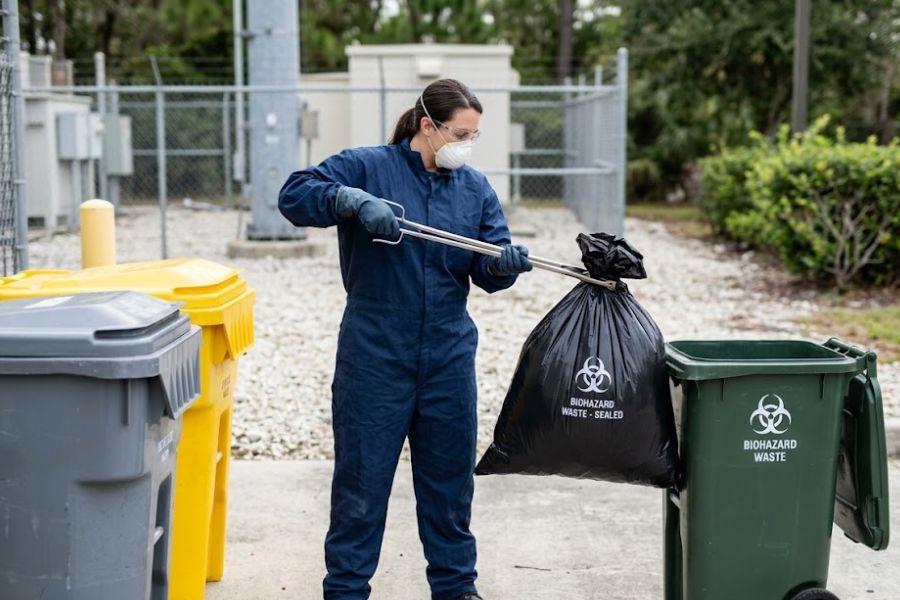
- Carcass removal with proper PPE
- Disinfection of removal area
- Fly larvae and secondary pest treatment.
- Access point patching (minor drywall work, if needed).
- Odor neutralizer application
- Entry-point check to prevent recurrence
How We Locate Dead Rodents Inside Walls and Cavities
Dead rodent removal is largely a spot problem before it's a removal issue. The smell tells you that something is decomposing somewhere in the building. Finding the precise site without unnecessarily cutting open walls needs both approach and background with Augusta-area building patterns.
The first step is interview-based localization: where is the smell strongest, when did it start, has it changed site, what was the rodent activity right away preceding? These questions narrow the search to an exact wall section, attic zone, or crawl space area before any walkthrough begins.
Second is sensory localization. Decomposition follows a predictable progression, first detection at 36-72 hours, peak intensity at 5-10 days, slow fade over 2-4 weeks. The exact stage helps date the death case and triangulate likely entry points. Combined with careful tracing of odor and airflow, most dead rodents can be located within a small zone without major wall opening.
Third is targeted reach. Once the site is confirmed, we make the minimum needed opening, most often a 4" hole in drywall, with ease patched after removal, to extract the rodent and remove fouled stuff. We don't cut more than needed. We offer patch-ready gaps rather than ragged tear-outs that complicate restoration.
What Shapes the Quote for Dead Rodent Removal in Augusta
| Removal Scope | Standard Use Case |
|---|---|
| Open dead rodent (attic, crawl space, in view) | Rodent in open space, attic floor, crawl space, garage. Removal, disposal, area sanitizing. |
| Wall cavity removal (single site) | Confirmed site inside wall void. Has drywall opening, removal, patch-ready closure, sanitizing. |
| Multi-site removal (many dead rodents) | Often after rodenticide use with many deaths in other areas. Full search and removal. |
| Removal + odor cleanup | Heavy decomposition with persistent odor. Has enzymatic treatment and HEPA filtration of affected zone. |
Removal of dead rodents from inside HVAC ductwork or behind structural elements (above ceiling joists, inside soffit chases) is a bigger job because the reach work is harder. We offer written quotes after on-site check confirms place and access needs.
Factors That Change Your Specific Quote
- Carcass accessibility: wall cavity vs. HVAC duct vs. crawl-space vs. attic
- Whether controlled drywall, ceiling, or duct opening is needed for extraction
- Site size and number of zones affected by odor
- HVAC sanitization scope if the carcass was in supply or return ducting
- Whether the entry path is sealed in the same visit to prevent recurrence
About insurance: Dead rodent removal alone is out-of-pocket. HVAC duct sanitization and any drywall or ceiling repair following carcass extraction may qualify as secondary damage under most HO-3 policies. We document the extraction location and any structural damage incurred for adjuster review.
Want a written quote? Call (844) 635-0403 for immediate dead-rodent extraction quote and dispatch.
Dead Rodent Removal FAQ
How do you find a dead rat inside a wall?
We track the odor gradient, moving through the affected area and noting where the smell intensifies. Combine that with structural analysis of where rodents commonly travel in the wall cavity setup (near pipe holes, behind electric boxes, at floor-level corners). In most cases we locate the carcass within 3-4 feet of our prediction. When must-do, we make a small access opening that we then patch.
How long will the smell last after removal?
Odor most often decreases a lot within 24-72 hours of removal, based on how long the carcass was show and how much decomposition happened. Odor neutralizer application accelerates this. In Augusta's summer heat, odors in attic spaces can linger 3-7 days post-removal as residual fouling dries out. We apply neutralizer to help manage this.
How much does dead rodent removal cost in Augusta?
It depends on where the animal is. Removal from an open attic, crawl space, or outdoor area is a smaller job than a wall cavity, where we may need to open and patch the wall. We confirm the scope and quote before we start, including for same-day work.
How did the rat get inside the wall and die there?
Rodents commonly enter wall cavities through pipe gaps and travel vertically inside walls between floors. They can turn trapped in narrow sections, die from secondary poisoning (if bait was used elsewhere in or near the building), or simply die of old age in a place they used as shelter. After removal, we check entry points to prevent recurrence.
Do you offer urgent same-day dead rodent removal?
Yes. We dispatch 24/7 across Richmond County. Same-day slots for dead rodent removal are most often ready, call (844) 635-0403 to confirm available slots for your handle.
How long until the smell goes away on its own?
Without removal, peak odor lasts 5-10 days, then slowly fades over 2-4 weeks as decomposition finishes. The smell goes away faster in dry attic areas (fast desiccation) and slower in humid wall voids (Augusta's standard setup). Even after the smell fades, the stays attract secondary pests (flies, dermestid beetles) and create lingering health concerns. Removal is faster and cleaner than waiting.
Can you find a dead rodent without cutting open walls?
Often yes. Odor tracking, a close look at airflow paths, and knowledge of how the structure is built usually locate the rodent precisely enough to need only a small opening for removal. Cutting larger areas isn't must-do in most cases. We make patch-ready gaps, and you can hire a drywall finisher to close them if you don't want to do it yourself. Some owners patch them as DIY since the holes are intentionally small and standard-shaped.
Should I use rodenticide if I don't want to deal with dead rodents inside?
This is the biggest point against inner rodenticide use. Bait kills rodents 3-7 days after ingestion, during which time they often die in inaccessible wall voids, attic insulation, or HVAC chases. Mechanical traps (snap, multi-catch) avoid this problem fully because you find the rodent right away and can dispose of it before decomposition begins. Most expert pest control programs use traps inside buildings and reserve bait for outer tamper-resistant stations.
Will the odor come back after removal?
If the removal has proper cleanup of soiled stuff (insulation soaked with decomposition fluids, wood frame that absorbed odor) and enzymatic treatment of the affected surfaces, no, the odor resolves for good. If only the rodent is removed without tackling the around soiled stuff, residual odor can persist for weeks. Our standard scope covers both removal and area fix to prevent re-event.
Linked Services
Same-Day Walkthrough + Quote: No Charge
Dead rodent place and removal across Augusta and Richmond County. We dispatch 24/7, call now to confirm same-day availability.
📞 Call (844) 635-0403